R&D CASE STUDY: VISUAL ANCHORING
CASE STUDY Part 1: THE NIKE SEQUENCE
For this test, we wanted to create a visceral sports sequence. The narrative concept was a runner battling his inner desire to give up, manifested physically as vines trying to pull him back into the earth before he finally bursts through to a clearing.
A standard prompt would likely yield a cartoonish or loosely defined result. To control the output, we first established a "GROWTH" visual anchor.
This image was not the final shot, but the aesthetic instruction manual. It defined the tactile reality of the spot: the specific quality of the moss, the dark soil, and the dappled, heavy lighting.
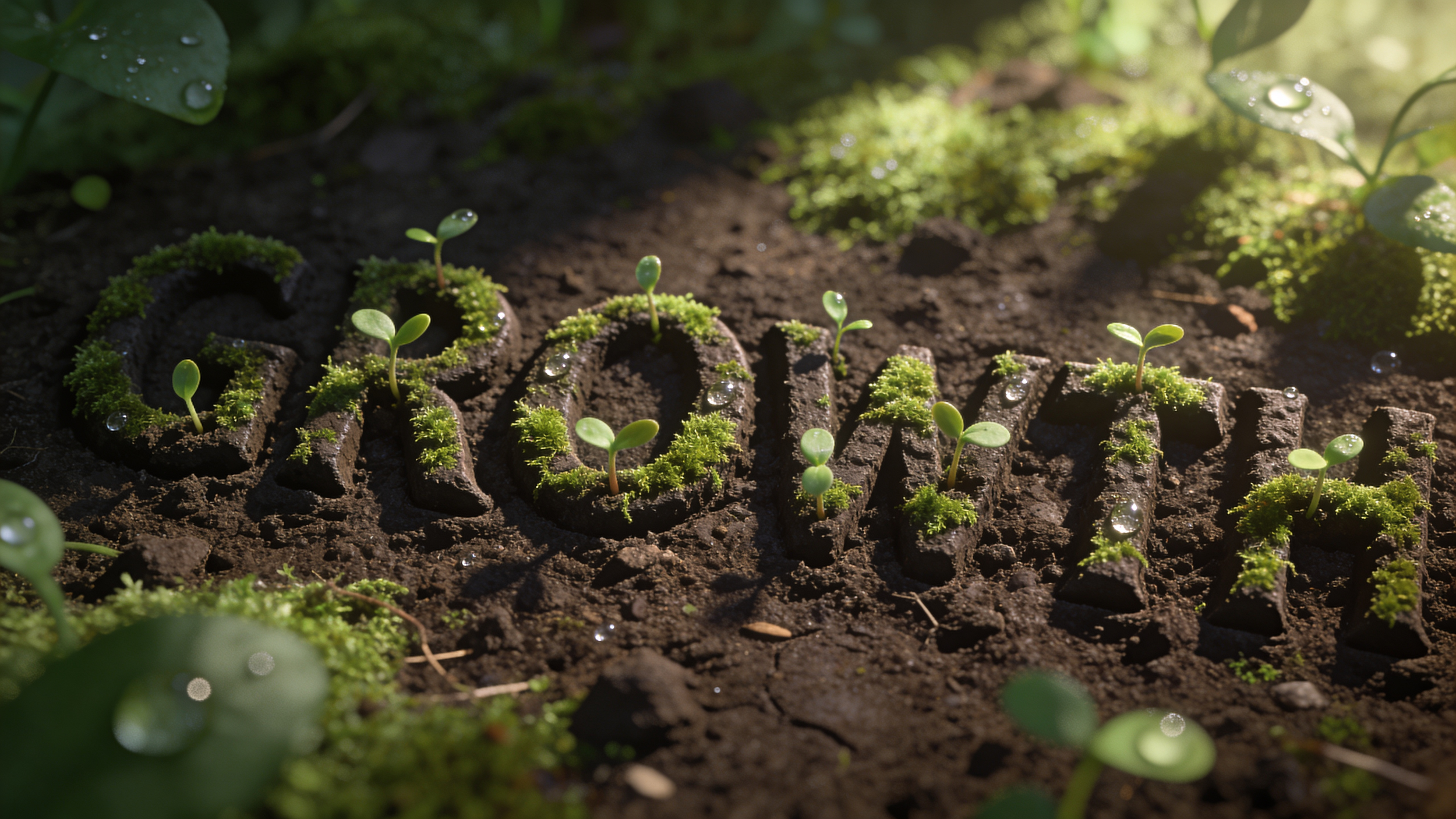
The Output By informing the model with this texture, the subsequent narrative generation maintained that exact photographic weight. We then prompted a sequence of images. The result was a consistent visual aesthetic across all images, proving that the model can be locked into a specific look rather than drifting between styles.
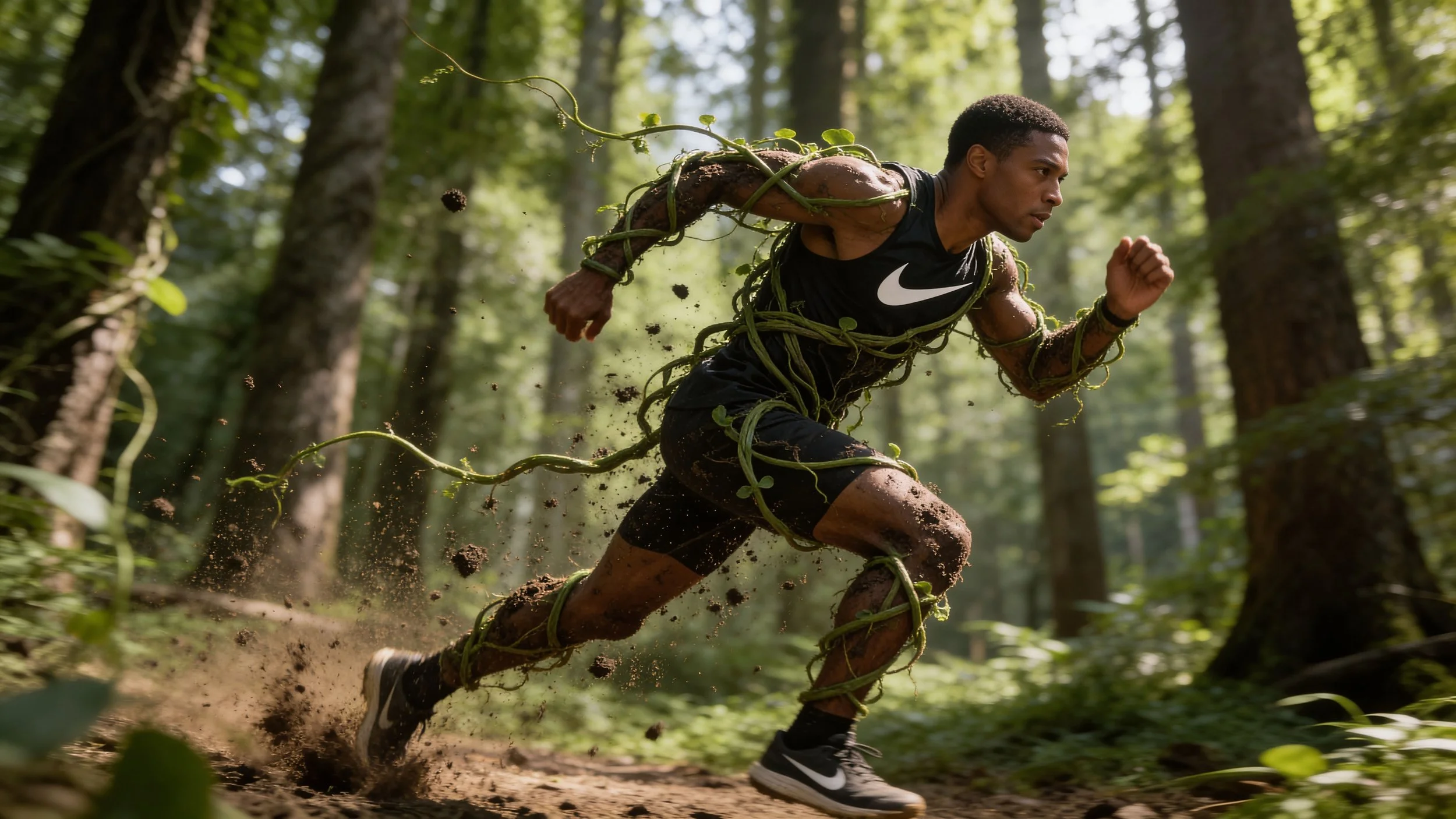
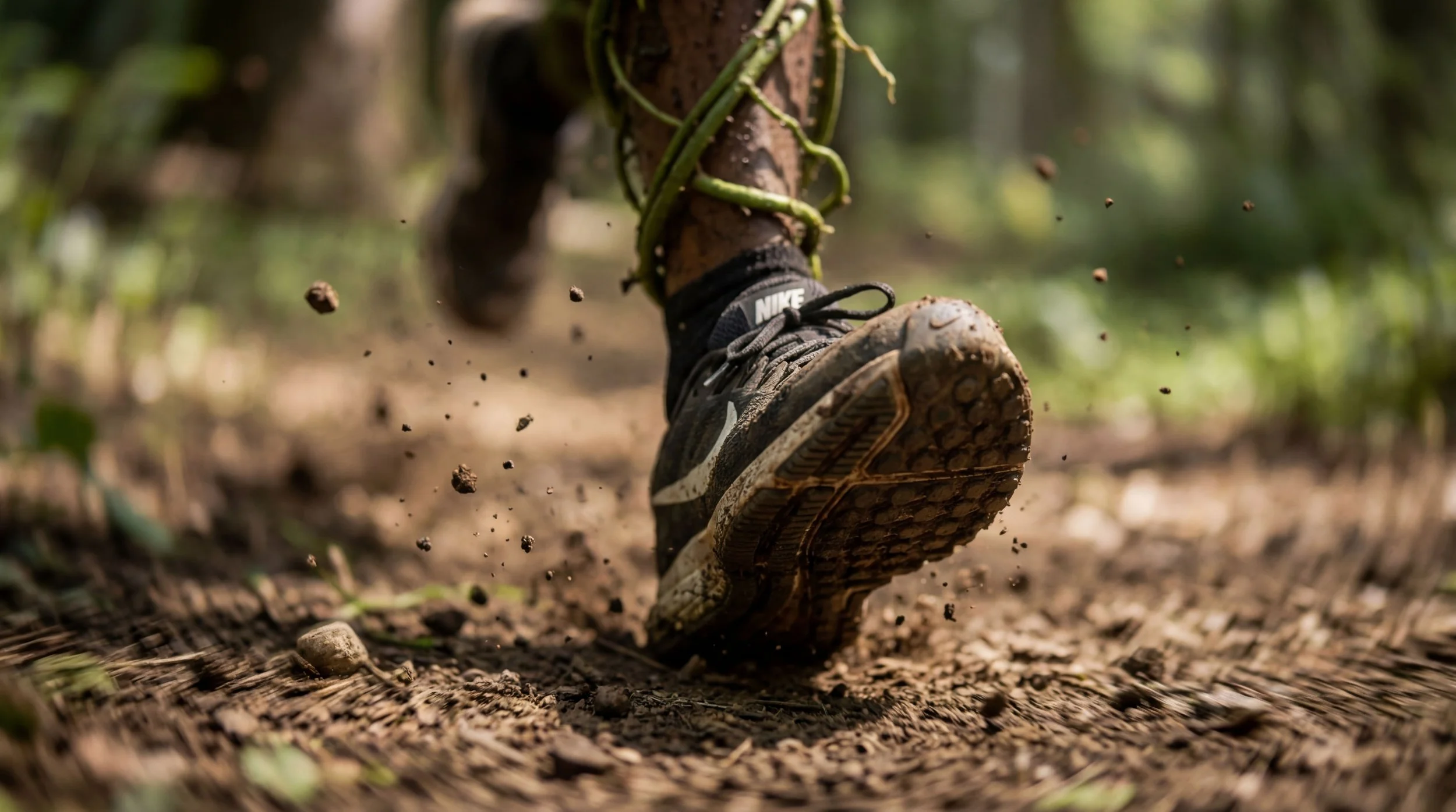
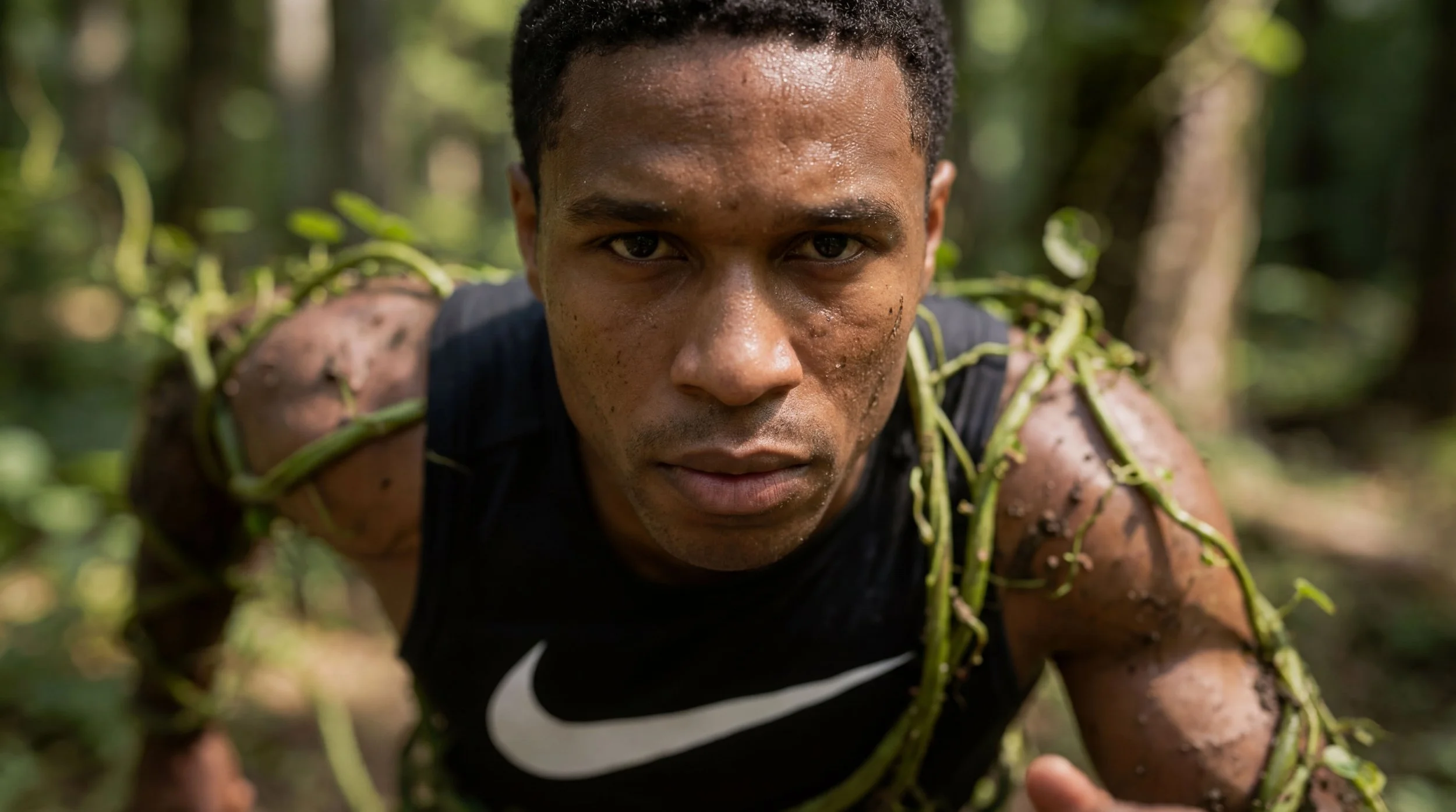
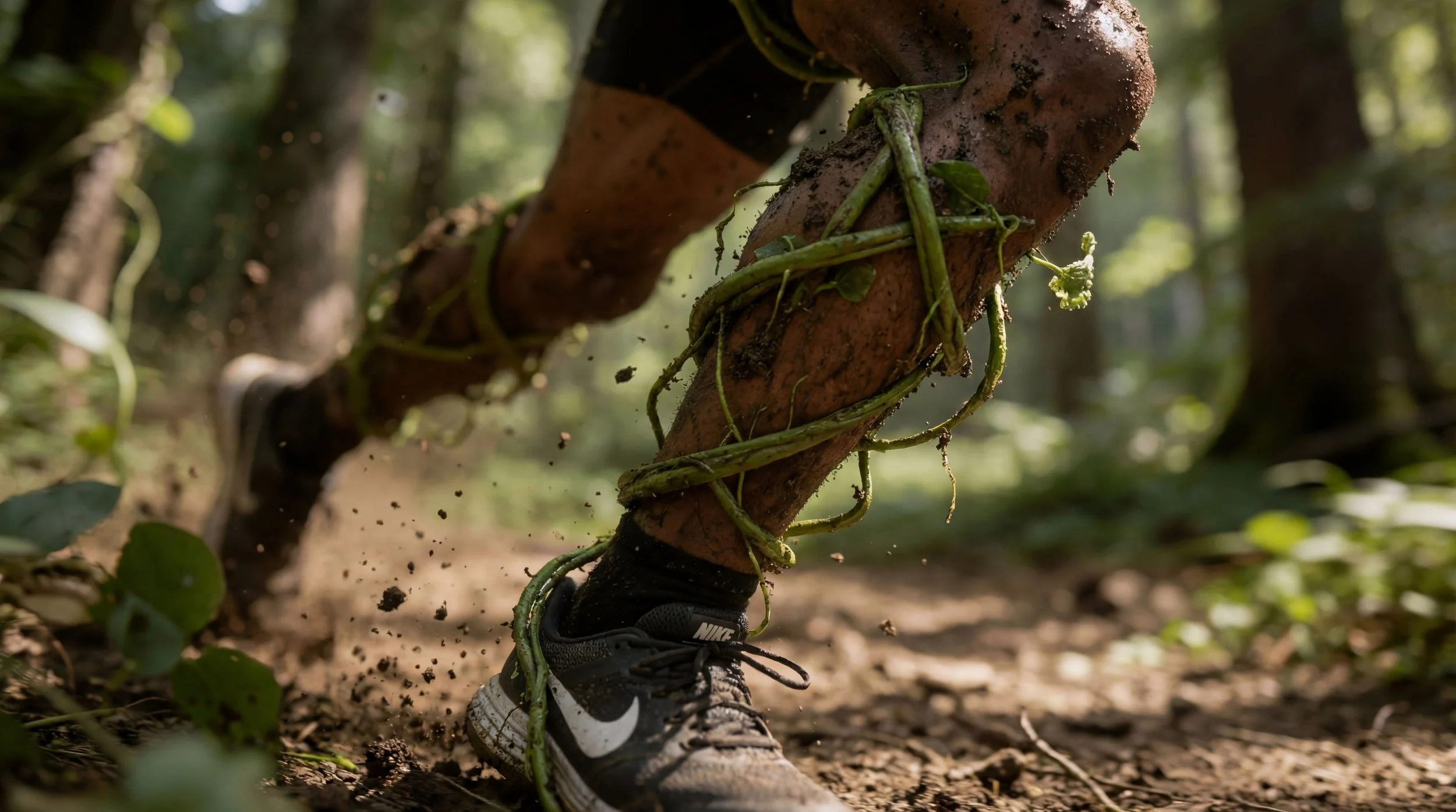
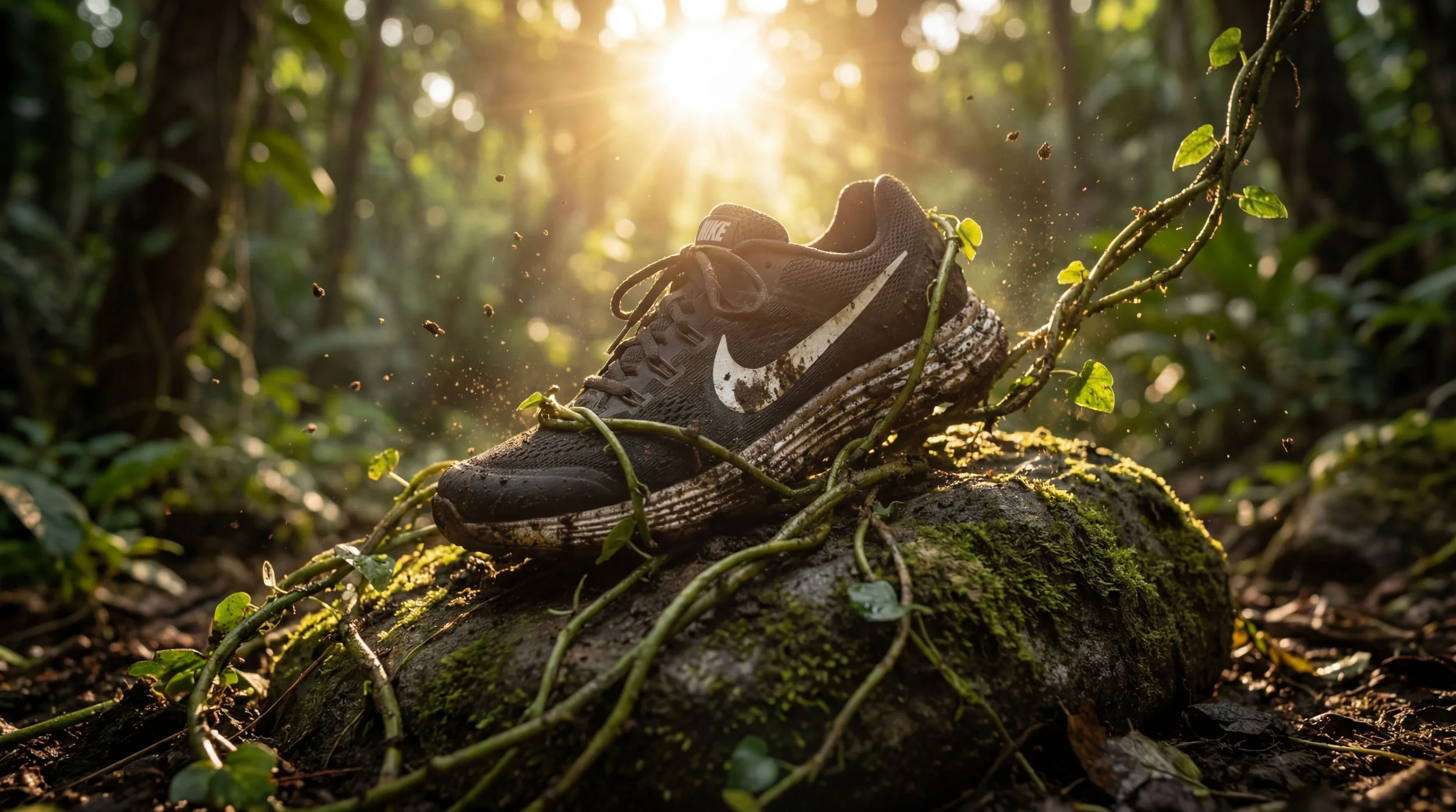
The AI did not just generate a man running; it generated this specific cinematic world for him to run through. Notice how the lighting on the runner’s skin and the texture of the vines wrapping around him perfectly mirror the macro photography of the text anchor.
CASE STUDY Part 2: THE BURBERRY SEQUENCE
For the second stress test, we wanted to take a heritage brand often associated with soft, vintage aesthetics, Burberry, and force it into a modern, technical visual space.
The Problem: Text Limitations Initially, we tried to achieve this look through prompting alone. We asked the model for "refraction", "glass distortion", and "chromatic aberration".
The results were "not right". The model understood the words but not the feeling. It gave us generic filters that felt stuck on top of the image rather than integrated into the world.
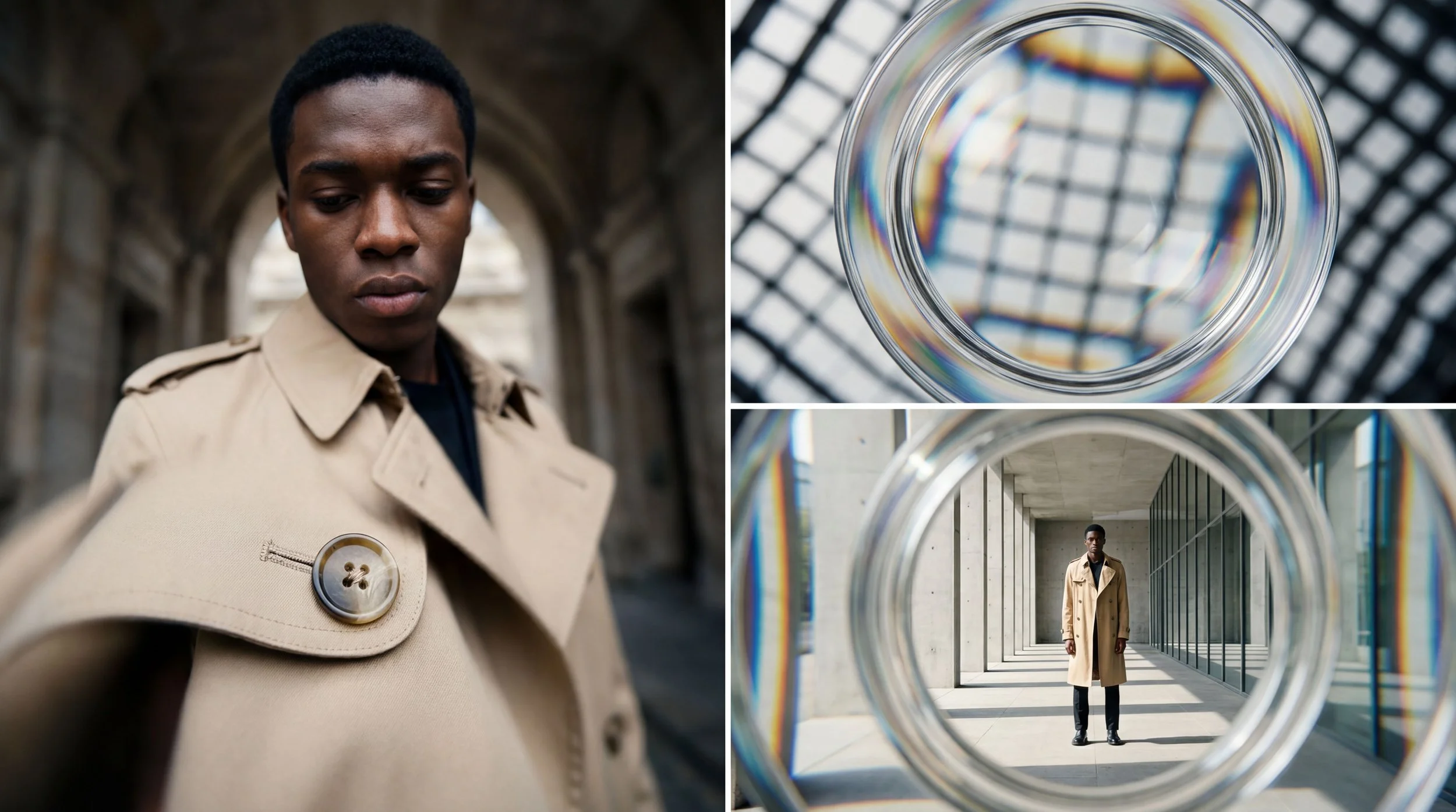
The Solution: Texture Re-Application To fix this, we stopped describing the effect and started showing it.
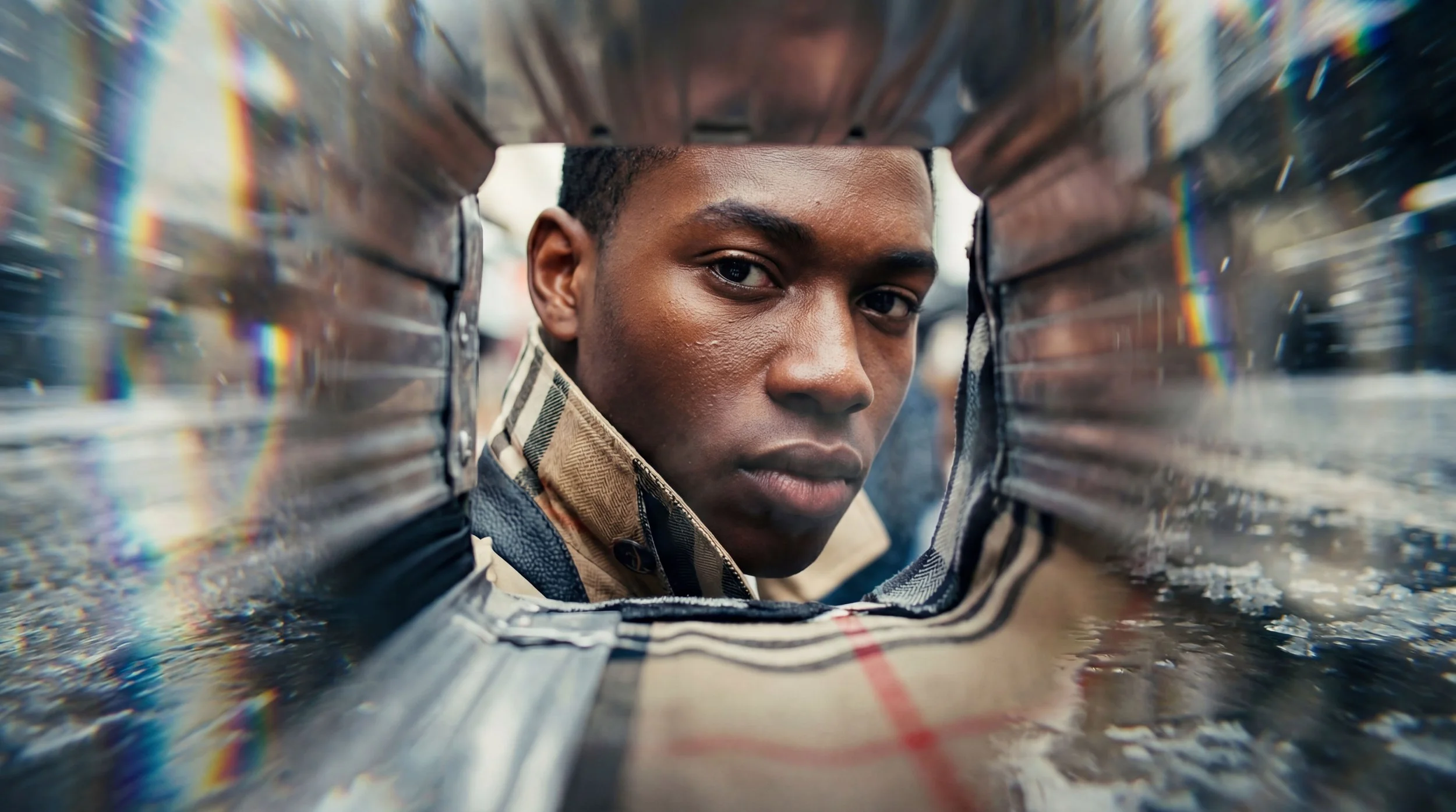
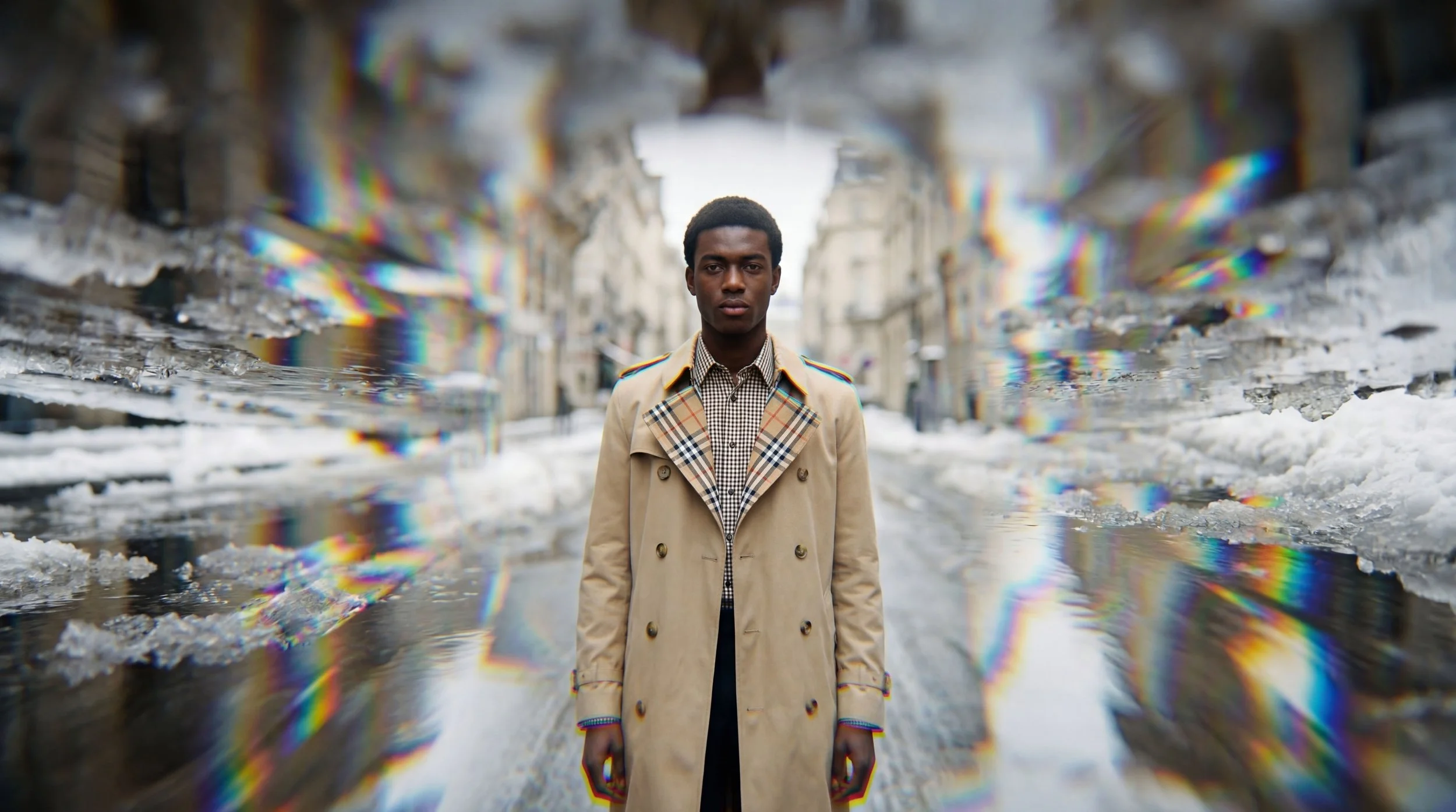
We established the "REFRACT" visual anchor. Unlike the organic "GROWTH" texture, this anchor is defined by glass, chromatic aberration, grids and distortion. It tells the model that the world is hard, reflective and precise.

We generated our core imagery and then re-applied our REFRACT anchor directly to the footage.
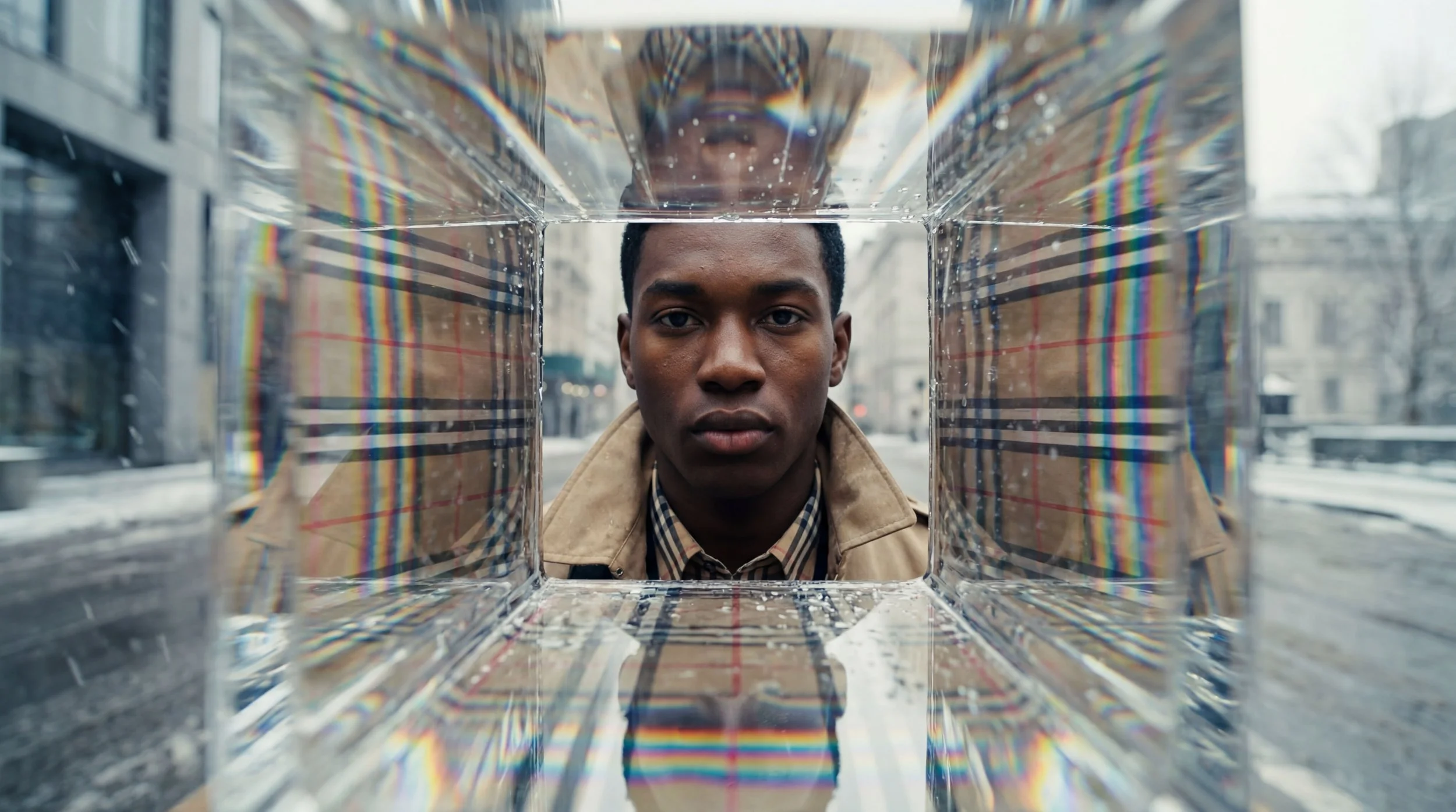
The result is a complete transformation of the brand identity. The model took the heritage elements, specifically the check pattern and trench coat, and encased them in a modern, architectural glass structure.
we are looking through a chromatic aperture. The lighting shifted from ambient to technical, and the reflections on the glass mimic the exact distortion of our input texture.
Limitless Combinations
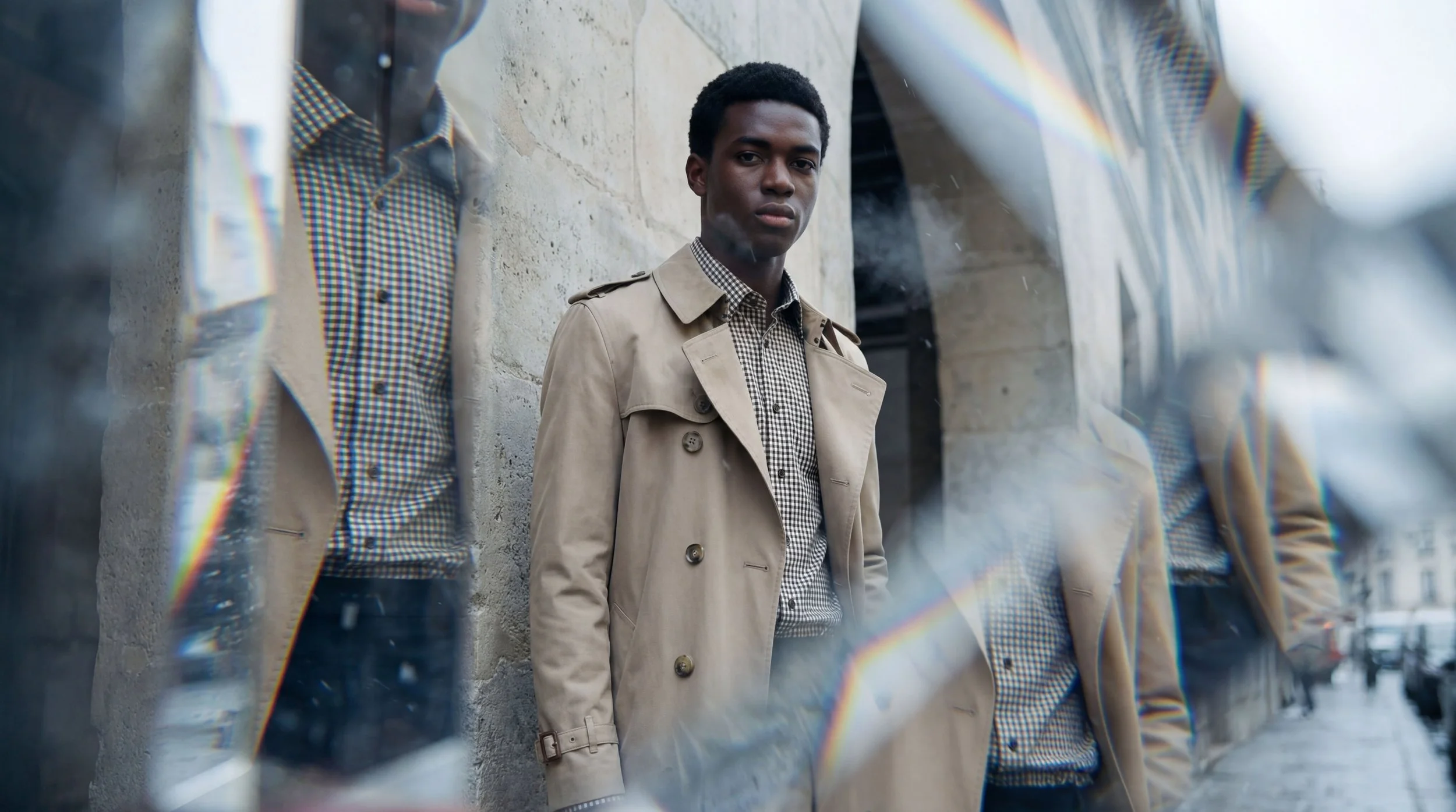
But we did not stop there. The true power of this pipeline is that the options are limitless. We can stack visual anchors to create complex, composite worlds.
To prove this, we took our a Refract result and combined it with a second visual anchor to define the lighting.
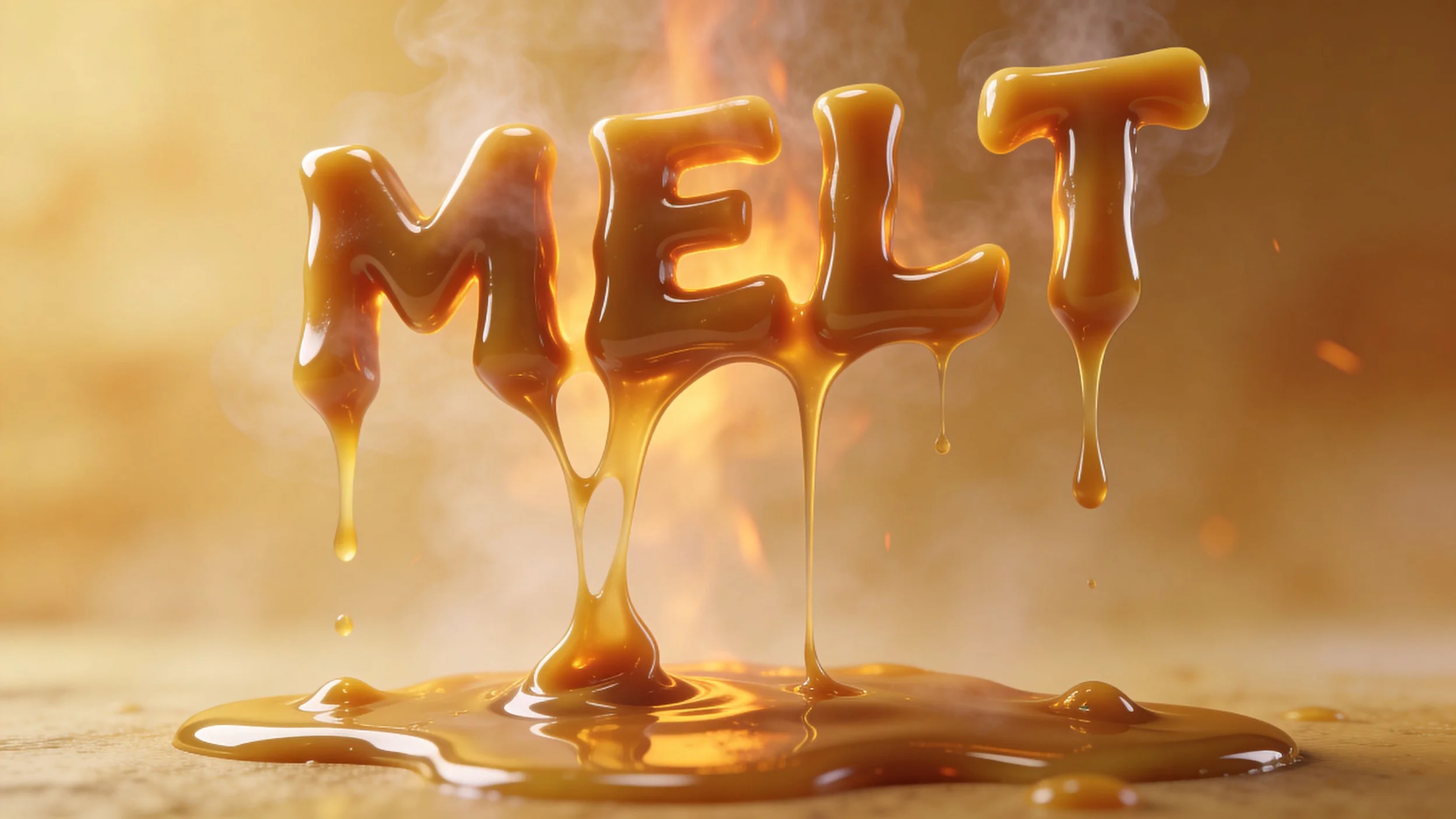
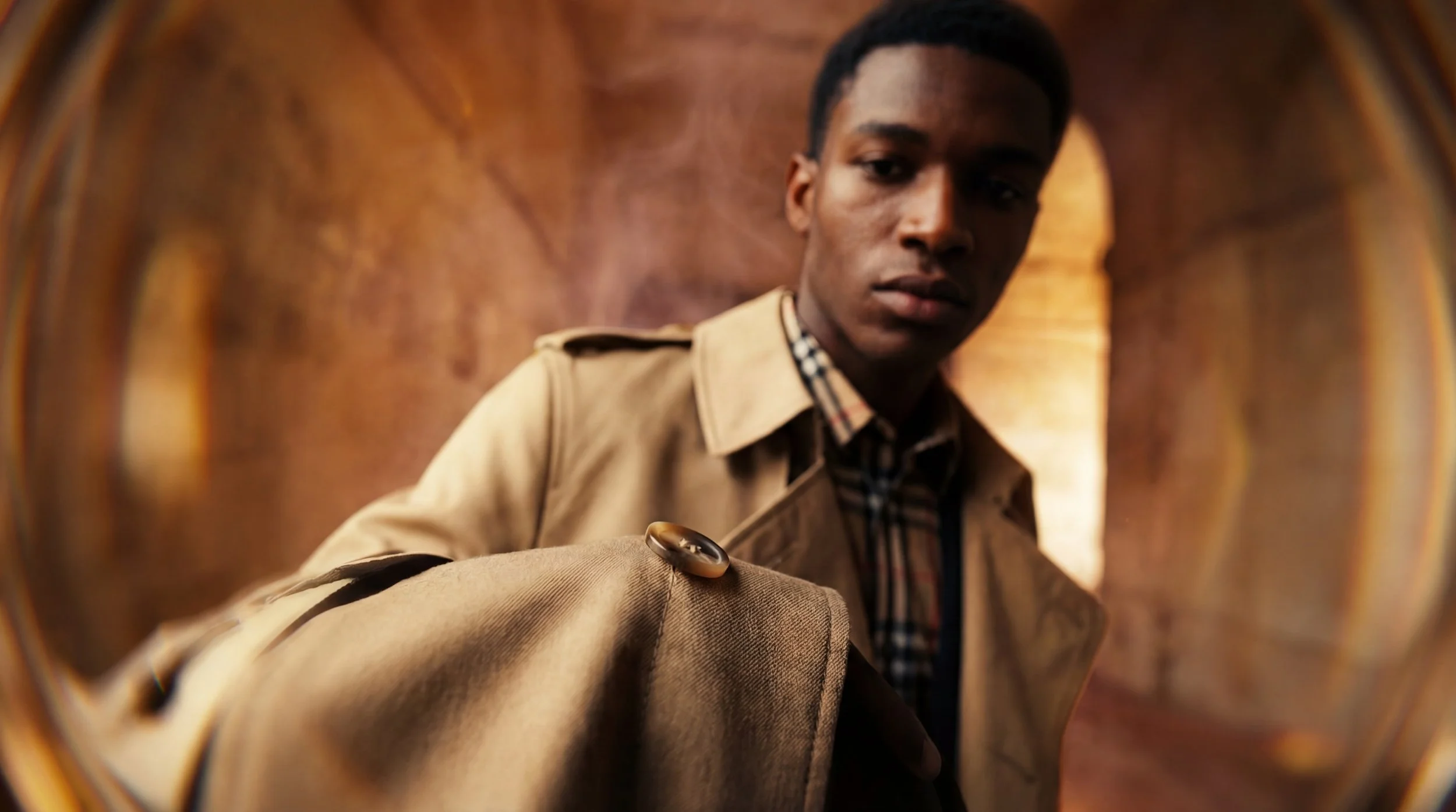
Now we have a completely new aesthetic. The figure remains trapped inside the technical glass block from our Refract anchor, but the cool, clinical lighting is gone. Instead, the scene is re-lit by the Warm anchor.
This proves that we can treat aesthetic attributes like physical filters on a camera lens, stacking structure, lighting and texture until the final image matches the precise vision in the director's head.
CASE STUDY Part 3: Combining worlds
To push the limits of this compositing, we decided to change the environment entirely. We took our established character, the figure in the trench coat defined by our technical "Refract" tests, and stacked a new layer: organic texture.
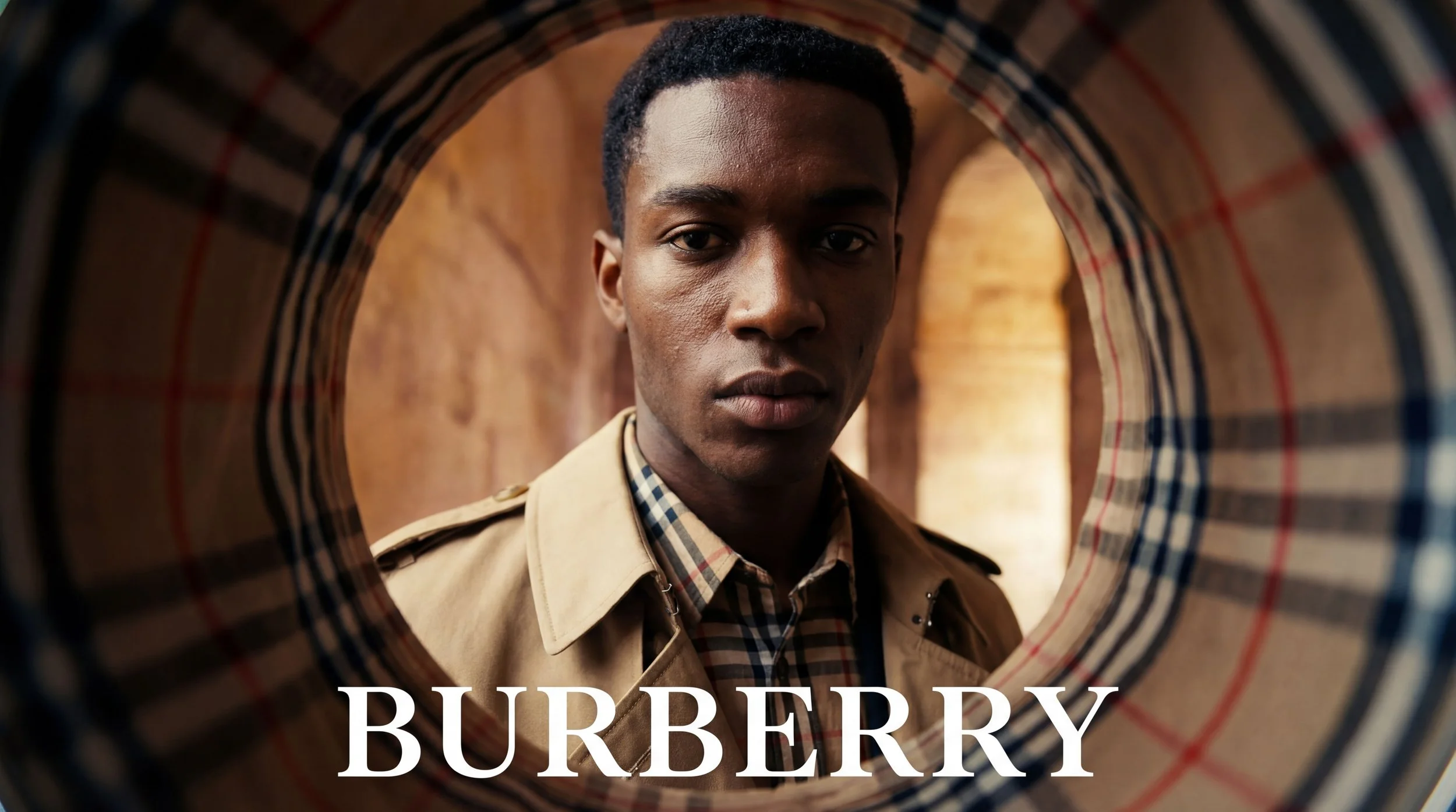
Re-introduceing the "GROWTH" anchor from our initial Nike test.
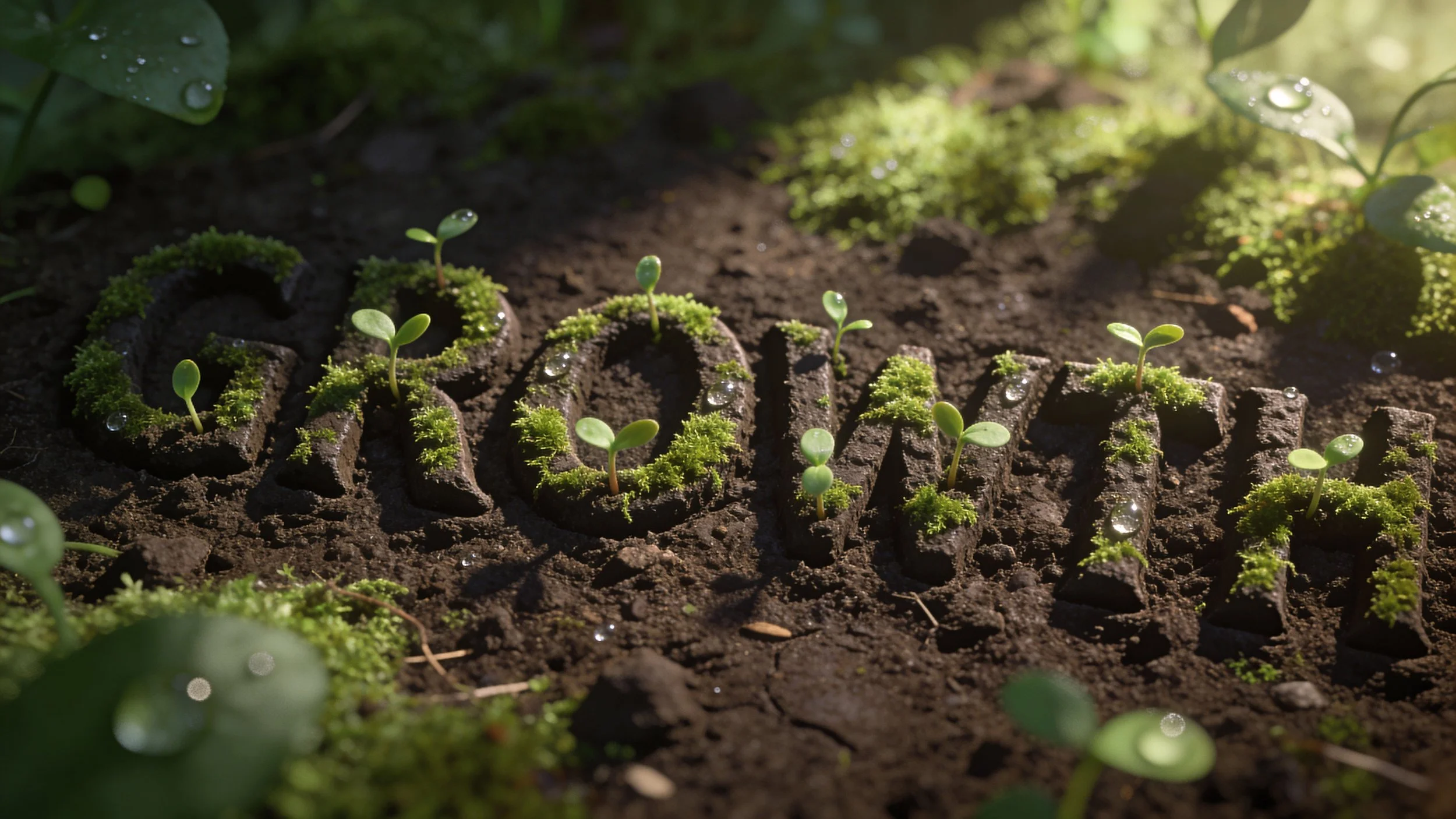
The model successfully synthesised the two conflicting instructions. To prove the robustness of this stack, we generated a video sequence.
Our final output is a video showing the character transitioning from the London scene directly into a tranquil Forest.
This proves we can control the timeline and environment independently of the subject. We are not just generating random clips; we are directing a consistent actor through a changing set.
ONE FINAL EXAMPLE: ERODE
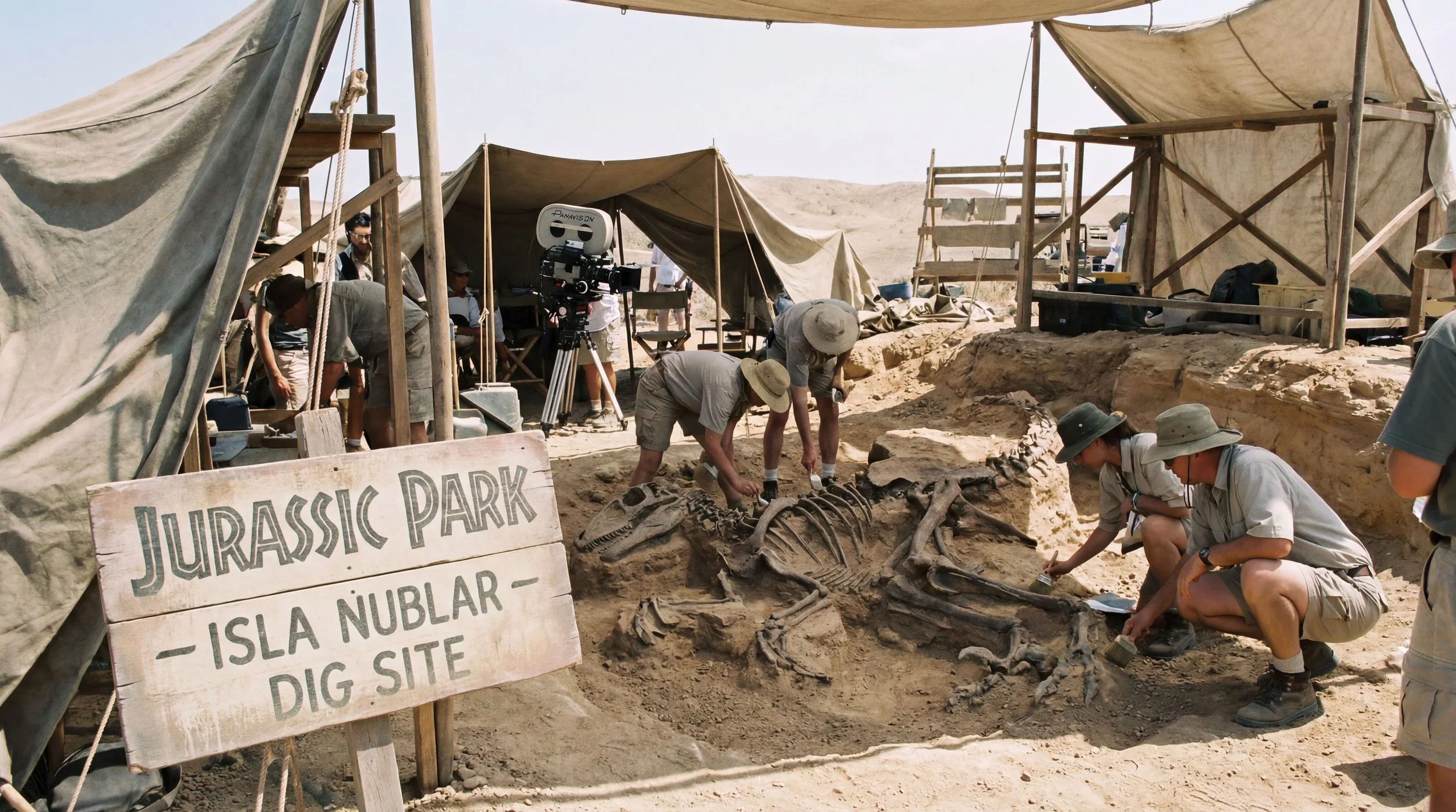
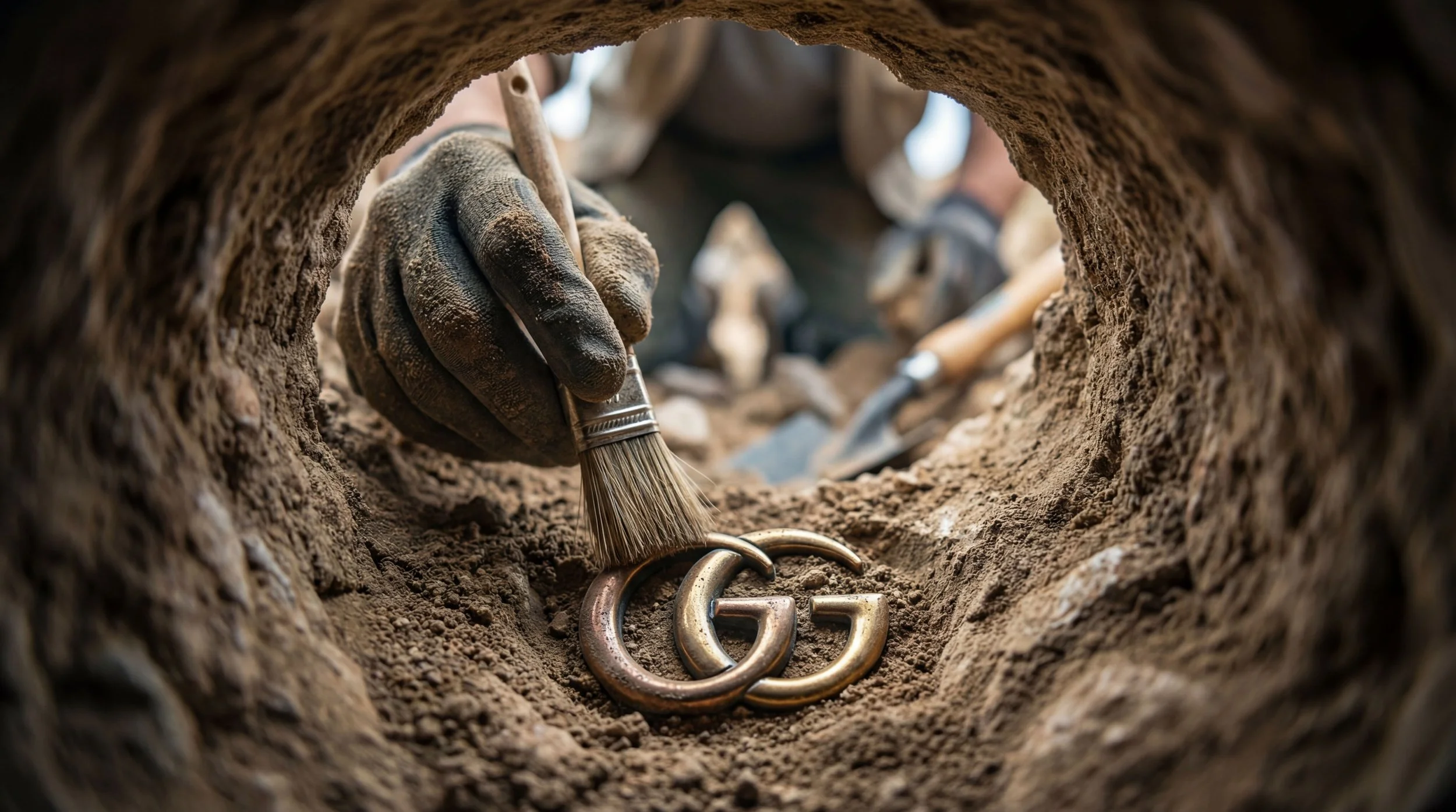
To leave you with one last visual, here is what happens when you feed the model the concept of ERODE.
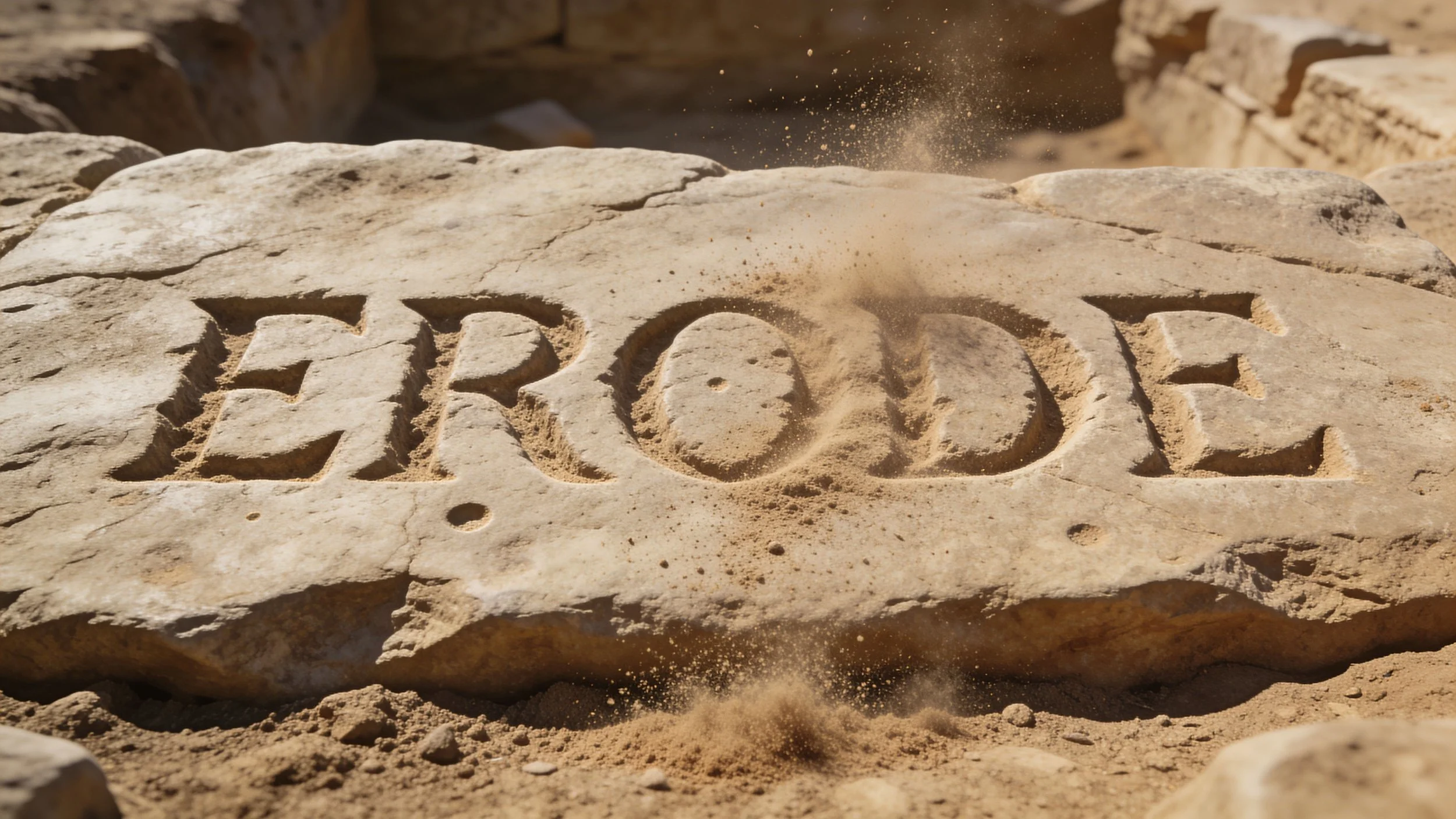
defined by sandstone, dust and excavation.
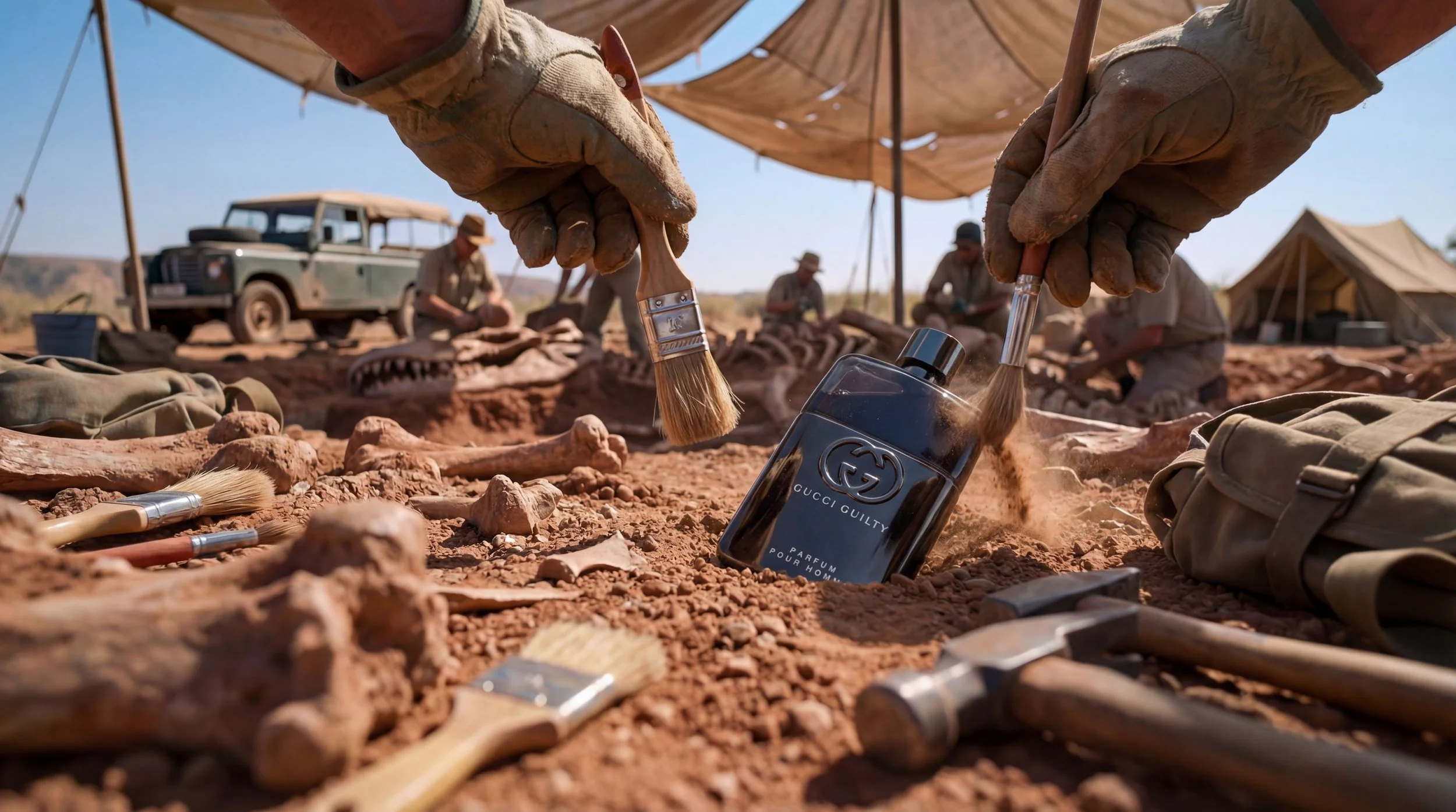
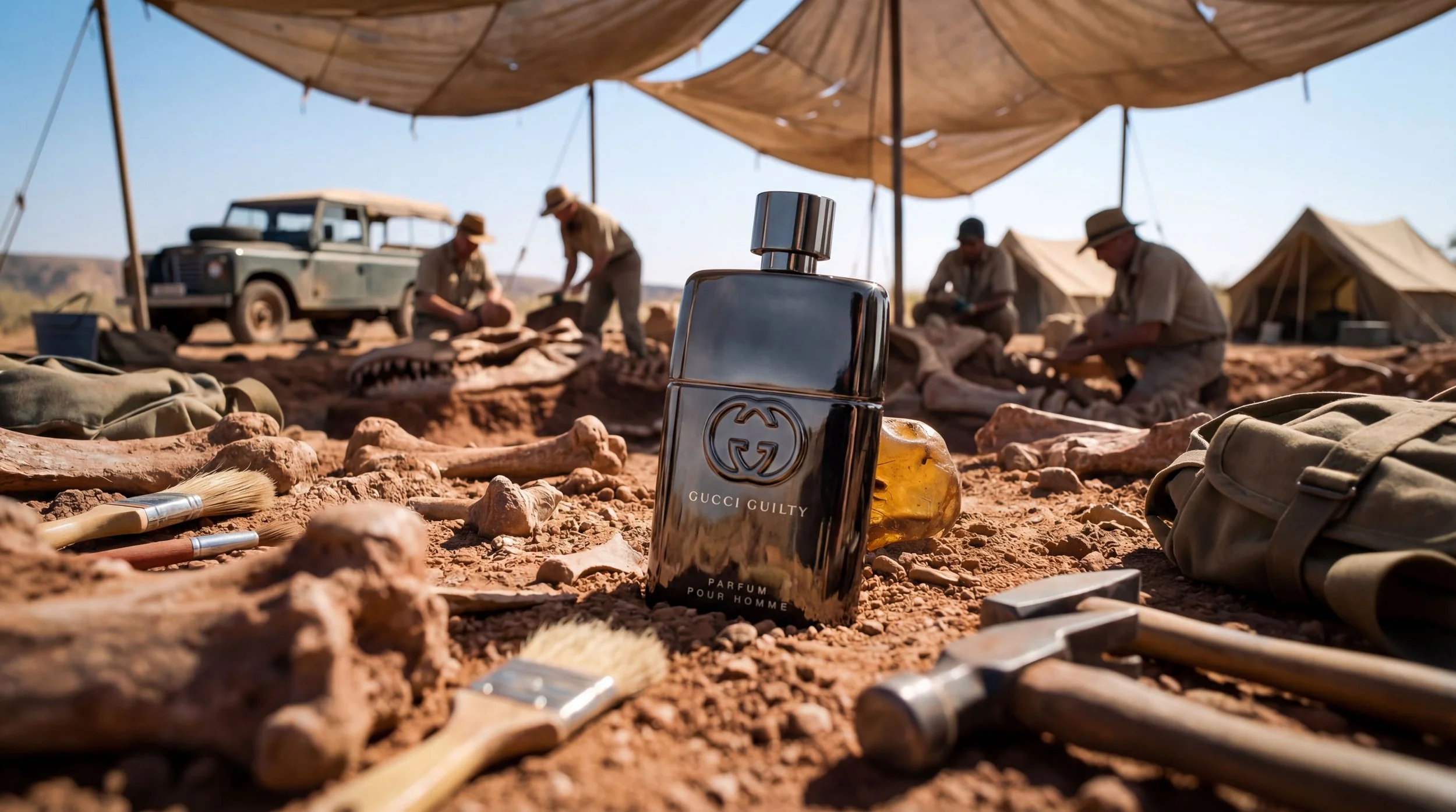
The Application: Gucci
We applied this texture to a luxury product prompt. The model instantly understood the assignment: it wasn't just a dirty bottle; it was an archaeological discovery.